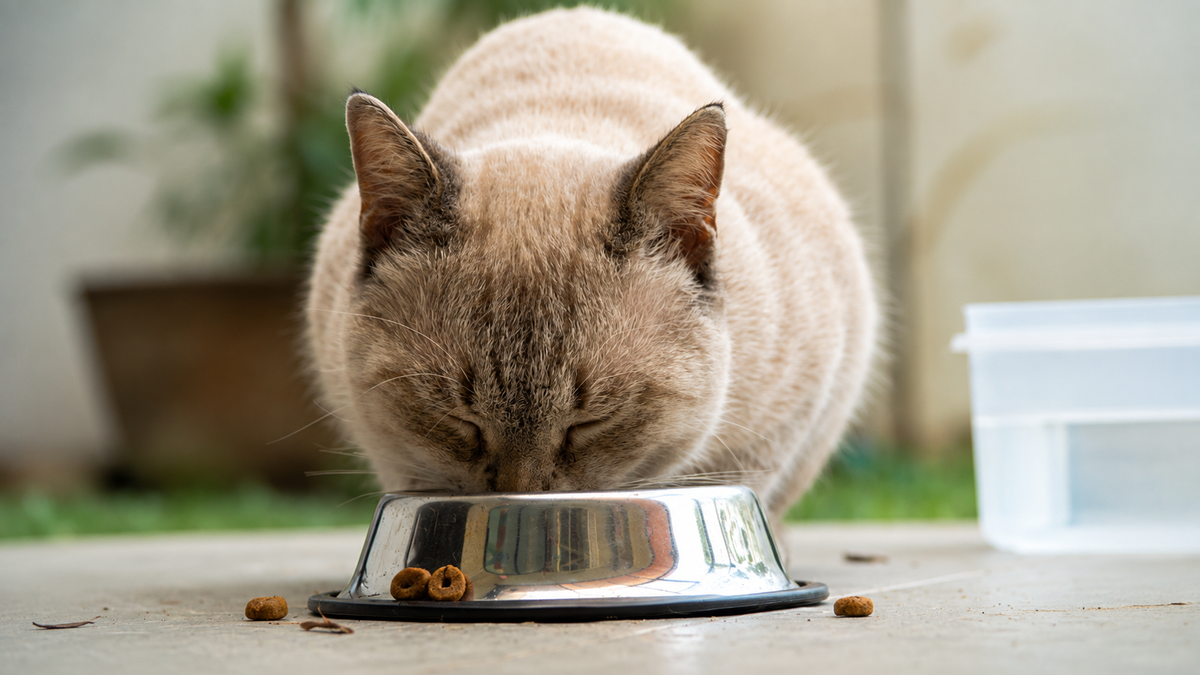
Choosing the right food is one of the most important decisions you can make for your pet. But with so many brands, ingredients, feeding claims, and diet trends, knowing what actually matters can feel confusing.
These 10 essential pet nutrition tips will help you make smarter everyday feeding decisions for your dog or cat. We’ll cover how to choose an appropriate diet, understand pet food labels, manage portions and treats, support hydration, introduce new foods, avoid common feeding mistakes, and recognize when your pet needs professional nutritional advice.
The goal is not to find one “perfect” food for every pet. It is to choose nutrition that fits your pet’s species, life stage, activity level, body condition, and individual needs.
Why Proper Pet Nutrition Matters
Good nutrition supplies the energy and essential nutrients dogs and cats need for normal growth, maintenance, and everyday body functions.
A suitable diet can help support:
-
Healthy muscles and bones
-
Normal skin and coat condition
-
Healthy digestion
-
Appropriate body weight
-
Normal immune function
-
Energy for daily activity
However, nutritional needs are not identical for every pet. A growing puppy has different requirements from an adult dog, just as a kitten has different needs from a mature cat.
That is why good pet nutrition starts with your individual animal rather than choosing food based only on popularity, packaging, or marketing claims.
10 Essential Pet Nutrition Tips
1. Choose Food Made for the Correct Species
One of the most important pet nutrition tips is making sure the food is formulated for the animal eating it.
Dogs and cats have different nutritional requirements. Cats, for example, have specific nutritional needs that differ from dogs, so their main diets should be formulated specifically for cats.
When shopping, check whether the food is clearly intended for your pet’s species.
For more product ideas, you can explore our recommended dog products and cat products.
Do not assume a food is appropriate simply because a picture of a dog or cat appears on the package. Read the actual product information.
2. Look for Complete and Balanced Nutrition
For a pet’s main diet, one of the most useful things to check is whether the food is intended to provide complete and balanced nutrition for the appropriate species and life stage.
“Complete” generally means the food provides the required nutrients, while “balanced” means those nutrients are supplied in appropriate proportions.
Look for the nutritional adequacy statement on the package rather than relying only on words such as:
-
Premium
-
Natural
-
Holistic
-
Gourmet
-
Superfood
These marketing terms may sound appealing, but they do not by themselves establish that a food is nutritionally appropriate for your pet.
The AAFCO guide to selecting pet food explains how species, life stage, nutritional adequacy, and feeding directions should be considered when choosing pet food.
3. Match the Diet to Your Pet’s Life Stage
A pet’s nutritional needs change throughout life.
Puppies and kittens are growing rapidly and generally need food formulated for growth. Adult dogs and cats usually need diets designed for maintenance. Pregnant or nursing animals can have different nutritional requirements as well.
When choosing food, consider:
-
Age
-
Species
-
Size
-
Activity level
-
Body condition
-
Reproductive status
-
Special nutritional needs
A highly active dog, for example, may need a different feeding approach from a sedentary indoor dog.
Likewise, a growing kitten should not automatically be fed the same type of diet as an adult cat.
There is no single feeding formula that works equally well for every pet, so life stage and individual condition matter.
4. Read the Pet Food Label Carefully
The front of a pet food package is designed to attract attention. The more useful nutritional information is often on the back or side.
When evaluating a food, check:
Species: Is it intended for your dog or cat?
Life stage: Is it designed for growth, adult maintenance, or another life stage?
Nutritional adequacy statement: Is it intended to provide complete and balanced nutrition?
Feeding directions: How much does the manufacturer recommend feeding?
Calorie information: How many calories are provided?
Ingredient list: What ingredients are included?
The ingredient list is useful, but it should not be the only thing you use to judge a food.
Ingredients are listed by weight, and the ingredient list alone cannot tell you everything about the nutritional quality of the finished diet. A food with an impressive-sounding first ingredient is not automatically superior to every other food.
The WSAVA Global Nutrition Guidelines explain why pet owners should look beyond ingredient lists and consider more meaningful nutritional information, including the adequacy statement, calorie information, and the manufacturer’s nutritional expertise.
5. Feed the Right Amount
Choosing a suitable food is only part of good nutrition. Portion size matters too.
A nutritionally complete food can still contribute to unwanted weight gain when a pet consistently consumes more calories than it needs.
Start with the feeding directions on the package, but remember that they are guidelines. Your pet’s actual needs can vary according to:
-
Body weight
-
Activity level
-
Age
-
Body condition
-
Neuter or spay status
-
Health status
-
Treat intake
Two pets of the same weight may not require exactly the same amount of food.
Measure meals consistently instead of guessing. A measuring cup can help, while a kitchen scale can provide even greater accuracy for some diets.
Monitor your pet’s body condition over time and discuss adjustments with your veterinarian when needed.
6. Keep Treats and Extras Under Control
Treats can be useful for training, enrichment, and bonding, but they can also add a surprising amount of extra energy to your pet’s diet.
Common sources of additional calories include:
-
Training treats
-
Dental chews
-
Table scraps
-
Human food
-
Food toppers
-
High-calorie snacks
Treats are generally not intended to replace a complete and balanced main diet.
A simple habit is to think about everything your pet eats during the day, not just the food in its bowl.
For pets that gain weight easily, using small treats or even measured portions of their normal food during training can help keep extra calories under control.
7. Provide Fresh Water Every Day
Water is just as important to daily nutrition as food.
Make sure your dog or cat has regular access to clean, fresh drinking water.
Helpful habits include:
-
Washing bowls regularly
-
Replacing stale water
-
Keeping water accessible throughout the day
-
Providing additional water sources when appropriate
Wet food contains substantially more moisture than dry food, so food type can influence overall water intake. However, every pet should still have access to drinking water.
Pay attention to major changes in your pet’s drinking habits. A sudden increase or decrease in thirst can sometimes indicate an underlying health problem and should be discussed with a veterinarian.
8. Choose Wet, Dry, or Mixed Feeding Based on Your Pet
Wet food and dry food can both be appropriate choices.
Dry Food
Dry food is often:
-
Convenient
-
Easy to store
-
Simple to measure
-
Practical for many households
Wet Food
Wet food generally:
-
Contains more moisture
-
Can be appealing to some picky eaters
-
Can contribute more moisture to the overall diet
Mixed Feeding
Some owners combine wet and dry foods successfully.
The important question is not whether one format is universally “better.” Instead, consider whether the total diet provides appropriate nutrition and whether the feeding method works for your pet’s health, preferences, and calorie needs.
One common misconception should also be avoided: ordinary dry kibble should not be treated as a replacement for proper dental care simply because it may require chewing.
9. Introduce New Food Gradually
Changing your pet’s diet too quickly can cause digestive upset.
When a food change is appropriate, gradually increase the proportion of the new diet while reducing the old one.
A transition over roughly a week is commonly used for many healthy pets, although some animals may need a slower change.
During a food transition, watch for:
-
Loose stools
-
Vomiting
-
Reduced appetite
-
Excessive gas
-
Other signs of digestive upset
If your pet becomes unwell, refuses food, or develops persistent digestive symptoms, contact your veterinarian.
A gradual change is especially important when switching diets because of a medical condition or when your veterinarian has prescribed a specific feeding plan.
10. Know Which Foods Can Be Dangerous
Not every food that is safe for humans is safe for dogs and cats.
Keep potentially dangerous foods and ingredients away from your pets, including:
-
Chocolate
-
Grapes and raisins
-
Onions and garlic
-
Xylitol
-
Alcohol
-
Cooked bones
-
Certain excessively fatty foods
The danger can depend on the animal, amount consumed, body size, and specific food involved.
If you believe your pet has eaten something potentially toxic, do not wait for symptoms to appear. Contact your veterinarian or an appropriate animal poison service promptly and follow professional instructions.
What Nutrients Do Dogs and Cats Need?
Dogs and cats require a combination of essential nutrients, but their nutritional requirements are not identical.
Protein
Protein supplies amino acids needed for growth, tissue maintenance, and normal body functions.
Both dogs and cats require protein, although cats have particularly specific nutritional requirements because of their unique metabolism.
Fats
Dietary fat provides concentrated energy and supplies essential fatty acids.
Appropriate dietary fats also support normal skin and coat function.
Vitamins and Minerals
Vitamins and minerals support many processes in the body, including normal metabolism, bones, immune function, and other physiological systems.
More is not necessarily better. Adding large amounts of supplements to an already complete diet can create nutritional imbalances.
Carbohydrates and Fiber
Dogs can use carbohydrates as an energy source, and appropriate fiber can support normal digestive function.
A food should not automatically be considered poor quality simply because it contains grains or carbohydrates.
The overall nutritional formulation matters much more than judging one ingredient in isolation.
Water
Water is essential for normal body function.
Fresh drinking water should always be part of your pet’s daily routine.
Common Pet Feeding Mistakes to Avoid
Even well-meaning owners can make nutrition mistakes.
Overfeeding Treats
Small treats can add up, particularly for small dogs and cats.
Choosing Food by Marketing Alone
Words such as “natural” or “premium” do not automatically tell you whether a food is appropriate.
Ignoring Portions
Even good food can contribute to excessive weight when portions are consistently too large.
Changing Food Too Quickly
Sudden diet changes may cause digestive upset.
Giving Too Much Human Food
Some human foods can be dangerous, while others simply add unnecessary calories.
Adding Supplements Without a Reason
A complete and balanced diet may already provide the nutrients your pet requires. Discuss supplements with your veterinarian before adding them regularly.
Homemade and Raw Diets: What Pet Owners Should Know
Homemade diets can sound attractive because you control the ingredients. However, creating a nutritionally complete diet for a dog or cat is more complicated than simply combining meat, vegetables, grains, or other foods.
Poorly formulated homemade diets can lack essential nutrients or provide excessive amounts of others.
Raw diets also require careful consideration because nutritional adequacy and food-safety risks both matter.
If you are considering a homemade or raw diet, discuss the plan with your veterinarian and, when appropriate, a qualified veterinary nutrition professional.
Avoid relying solely on an online recipe or social media recommendation for your pet’s long-term nutritional needs.
When Should You Talk to Your Veterinarian?
General pet nutrition tips are useful for healthy pets, but some situations require individualized professional advice.
Speak with your veterinarian when your pet has:
-
Unexplained weight gain or weight loss
-
Persistent vomiting or diarrhea
-
Poor appetite
-
Difficulty eating
-
Suspected food allergies or intolerance
-
Kidney, liver, heart, digestive, or other medical conditions
-
Special nutritional requirements
-
A need for a therapeutic or prescription diet
Your veterinarian can consider your pet’s age, body condition, activity level, health history, and individual needs when recommending a feeding plan.
Frequently Asked Questions About Pet Nutrition
What is the most important pet nutrition tip?
Start with the basics: choose food formulated for the correct species and life stage, look for complete and balanced nutrition, feed appropriate portions, provide fresh water, and monitor your pet’s body condition.
How do I know if pet food is good quality?
Look beyond marketing claims and individual ingredients. Check the species and life stage, nutritional adequacy statement, feeding directions, calorie information, and the manufacturer’s ability to provide useful nutritional information.
Should dogs and cats eat the same food?
No. Dogs and cats have different nutritional requirements, so their main diets should be formulated for the appropriate species.
Is wet food better than dry food?
Neither is automatically better for every pet. Both can be appropriate when nutritionally suitable. Wet food provides substantially more moisture, while dry food is convenient and easy to store.
How often should I change my pet’s food?
Healthy pets do not necessarily need frequent diet changes. When a change is appropriate, transition gradually. When changing food because of a health concern, follow your veterinarian’s recommendation.
Can I give my pet supplements?
Do not assume supplements are necessary simply because they are marketed for pets. A complete and balanced diet may already provide the nutrients your pet needs. Talk with your veterinarian before adding supplements routinely.
Recommended Pet Nutrition Products
Good nutrition is the foundation, but the right feeding accessories can make everyday feeding easier and more consistent.
Useful items may include:
-
Stainless steel food bowls
-
Slow feeder bowls
-
Measuring cups
-
Food scales
-
Airtight pet food storage containers
-
Automatic pet feeders
For feeding essentials and other pet products, explore our recommended pet nutrition products.
Final Thoughts
Good pet nutrition does not have to be complicated.
Focus on the fundamentals: choose food that is appropriate for your pet’s species and life stage, look for complete and balanced nutrition, read the label carefully, manage portions and treats, provide fresh water, introduce new foods gradually, and keep dangerous foods away from your pets.
Most importantly, remember that nutrition is individual.
The best feeding routine for one dog or cat may not be the right routine for another. Your pet’s age, body condition, activity, preferences, and health all matter.
Small, consistent choices at every meal can make a meaningful difference in your pet’s long-term health and well-being.
Disclaimer: This article is intended for educational purposes only and is not a substitute for professional veterinary advice. Always consult your veterinarian before making significant dietary changes, especially if your pet has a medical condition, food allergy, or special nutritional requirement.