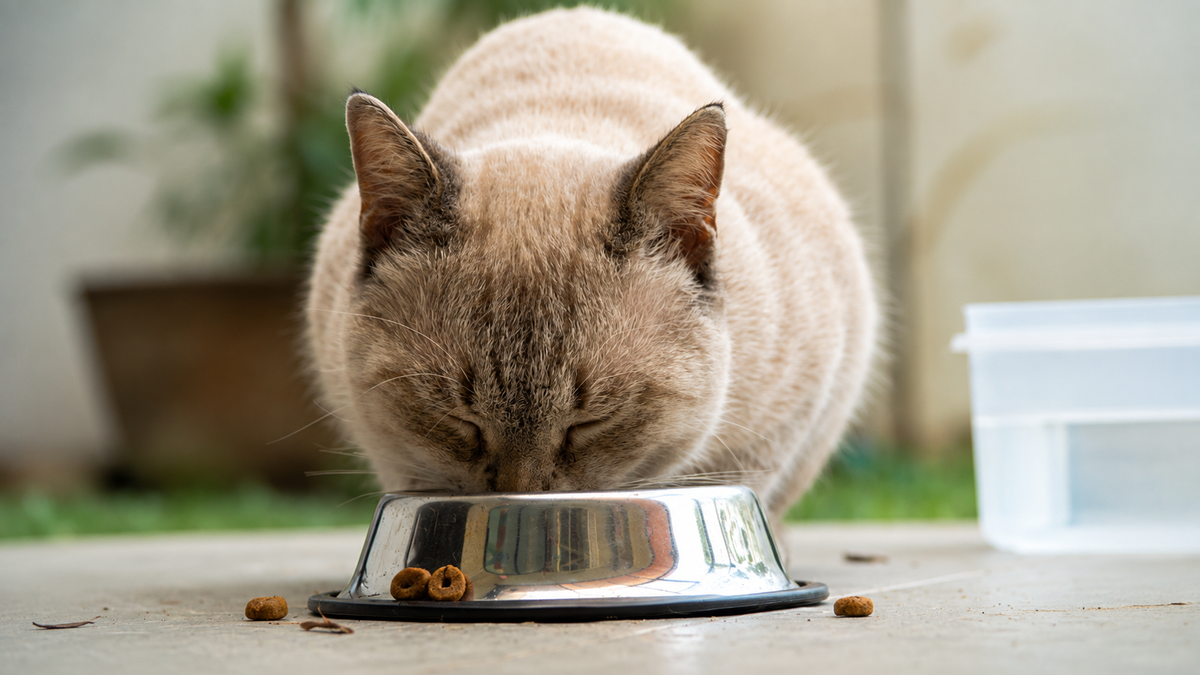
Choosing the right food is one of the most important decisions you can make for your pet. A healthy diet supports strong muscles, a shiny coat, healthy digestion, and a longer, happier life. With so many brands and marketing claims available, finding the right food can feel overwhelming.
This guide explains the essentials of pet nutrition and shows you what really matters when choosing food for your dog or cat.
Why Proper Nutrition Matters
A balanced diet provides the nutrients pets need to stay active and healthy. Good nutrition helps support:
- Healthy skin and a shiny coat
- Strong bones and muscles
- A healthy immune system
- Better digestion
- Healthy weight management
- More energy throughout the day
Pets that eat a complete and balanced diet are generally less likely to experience nutrition-related health problems.
The Essential Nutrients Every Pet Needs
Every healthy diet should contain:
1. High-Quality Protein
Protein helps build muscles, repair body tissues, and support healthy growth. Good protein sources include chicken, turkey, fish, lamb, and beef.
2. Healthy Fats
Healthy fats provide energy and support skin, coat, and brain health. Look for ingredients such as salmon oil, fish oil, or chicken fat.
3. Vitamins and Minerals
Vitamins and minerals help maintain healthy bones, teeth, immunity, and normal body functions.
4. Carbohydrates and Fiber
While protein is important, fiber and digestible carbohydrates also help maintain healthy digestion and provide energy.
5. Fresh Water
Clean drinking water should always be available. Hydration is just as important as food.
How to Choose Quality Pet Food
When shopping for pet food, consider these tips:
For dogs, choose a food formulated for their life stage and activity level, while cats need food that meets their specific nutritional requirements.
- Choose food that is complete and balanced for your pet’s life stage.
- Read the ingredient list instead of marketing claims.
- Select food appropriate for your pet’s age, breed, and activity level.
- Introduce new foods gradually over 7–10 days.
- Consult your veterinarian if your pet has allergies or medical conditions.
Common Feeding Mistakes
Avoid these common mistakes:
- Overfeeding treats
- Feeding table scraps regularly
- Frequently changing foods without a transition
- Ignoring portion recommendations
- Choosing food based only on attractive packaging
Wet Food vs. Dry Food
Both options can be healthy.
Dry food
- Convenient and affordable
- Easy to store
- Helps reduce plaque buildup
Wet food
- Higher moisture content
- Often more appealing to picky eaters
- Helpful for pets needing extra hydration
Many owners successfully feed a combination of both.
Foods Dogs and Cats Should Never Eat
Keep these foods away from pets:
- Chocolate
- Grapes and raisins
- Onions and garlic
- Xylitol (artificial sweetener)
- Alcohol
- Cooked bones
- Excessively fatty foods
If your pet eats any of these foods, contact your veterinarian immediately.
Our Favorite Pet Nutrition Products
Choosing the right feeding accessories can also improve your pet’s eating experience.
Products we recommend:
- Stainless steel food bowls
- Slow feeder bowls
- Airtight pet food storage containers
- Measuring cups for accurate portions
- Automatic pet feeders
Explore our recommended pet nutrition products
Final Thoughts
A healthy diet is one of the best investments you can make for your pet. Focus on balanced nutrition, appropriate portion sizes, and food designed for your pet’s age and lifestyle. Small improvements in daily nutrition can make a big difference in your pet’s long-term health and happiness.
Disclaimer: This article is for educational purposes only and should not replace professional veterinary advice. If your pet has a medical condition or special dietary needs, consult your veterinarian before changing its diet.