How to Choose a Small Pet Habitat or Cage
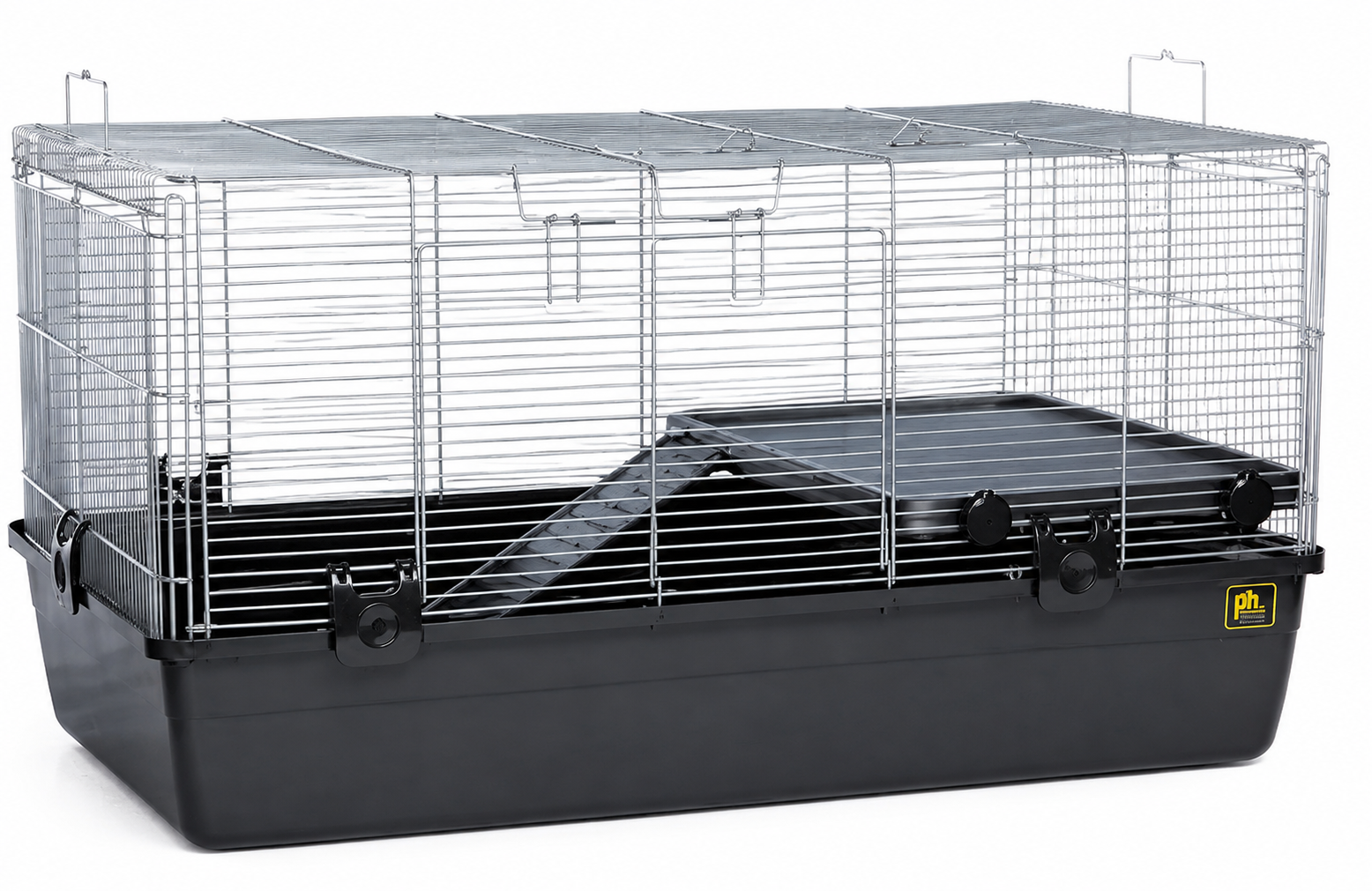
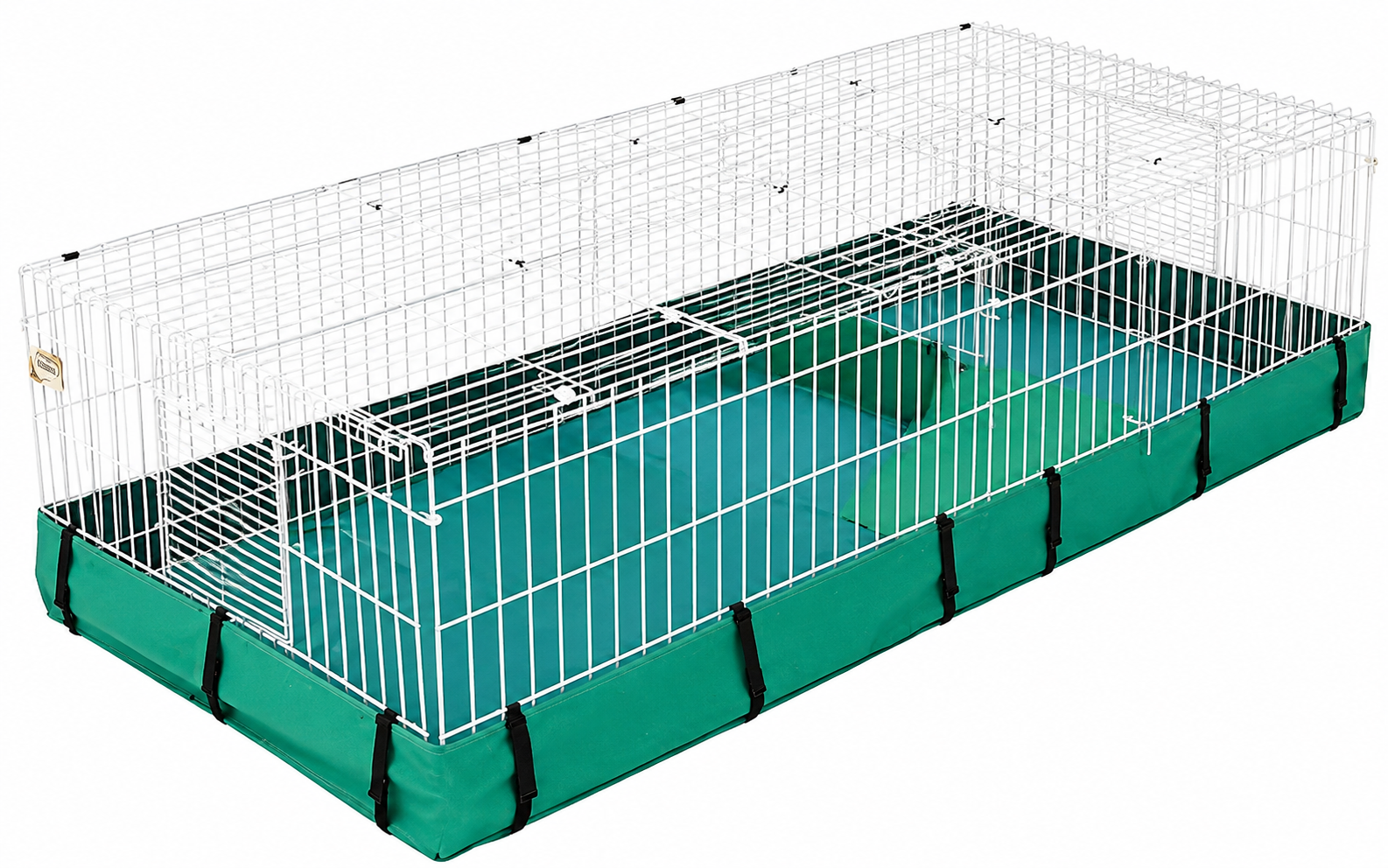
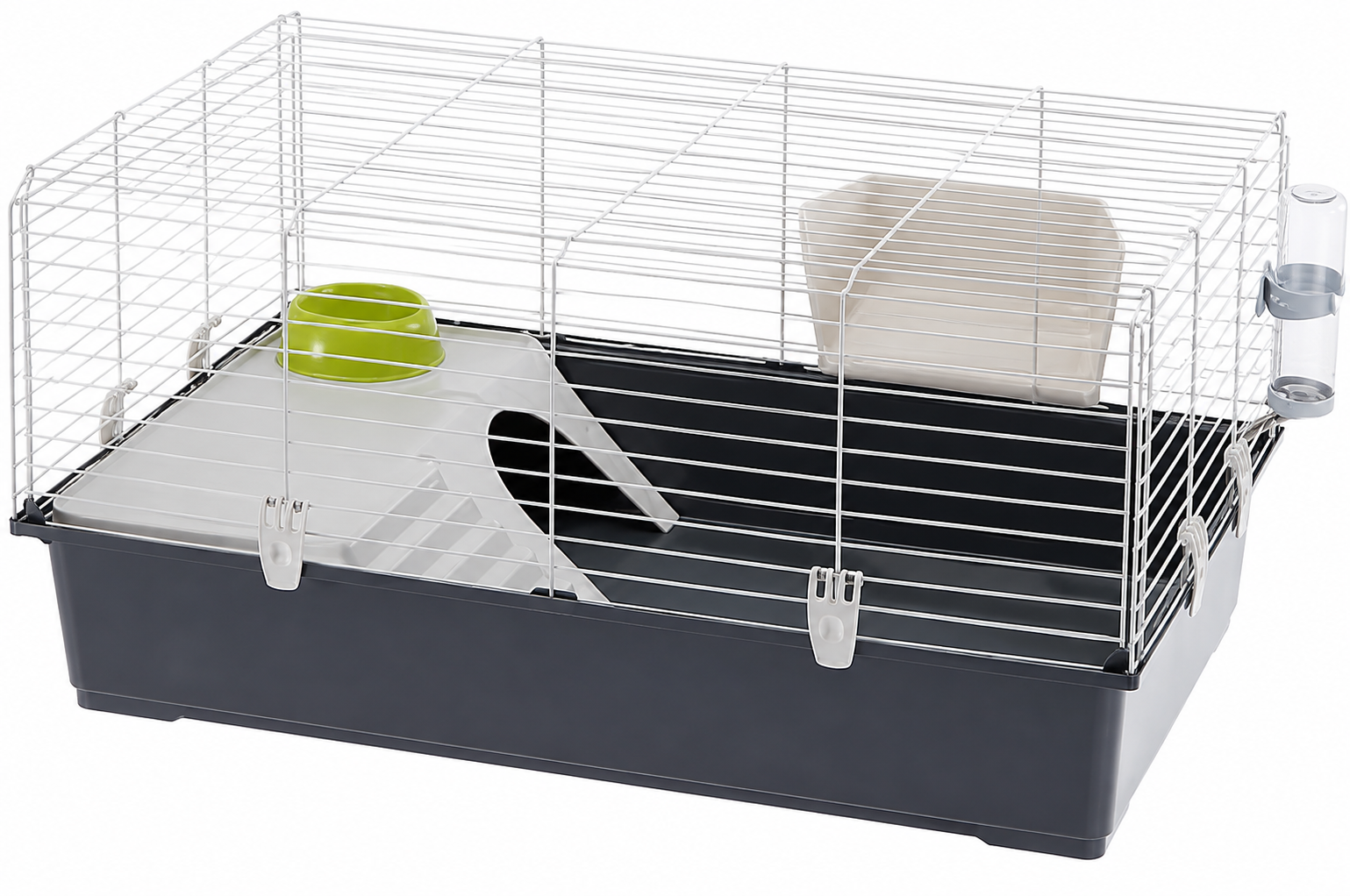
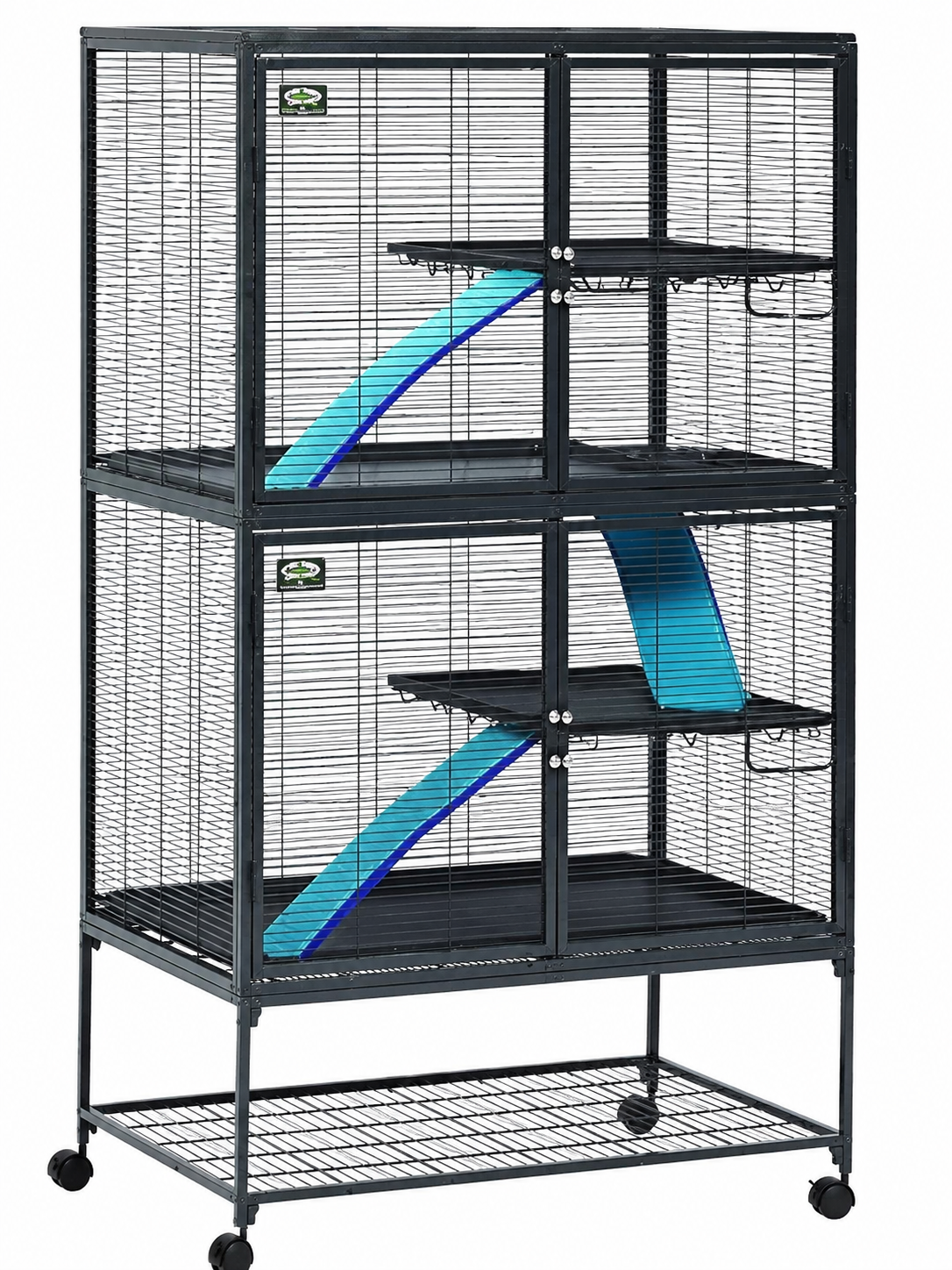
Choosing the right small pet habitat or cage depends on your pet’s species, size, activity level, and daily needs. Small Pet Habitats & Cages should provide enough space for your pet to move comfortably, with good ventilation, safe flooring, and easy access for cleaning and feeding. The right cage or habitat should also leave enough space for essential accessories such as food dishes, water bottles, hiding areas, and enrichment.
Choosing the Right Habitat for Different Small Pets
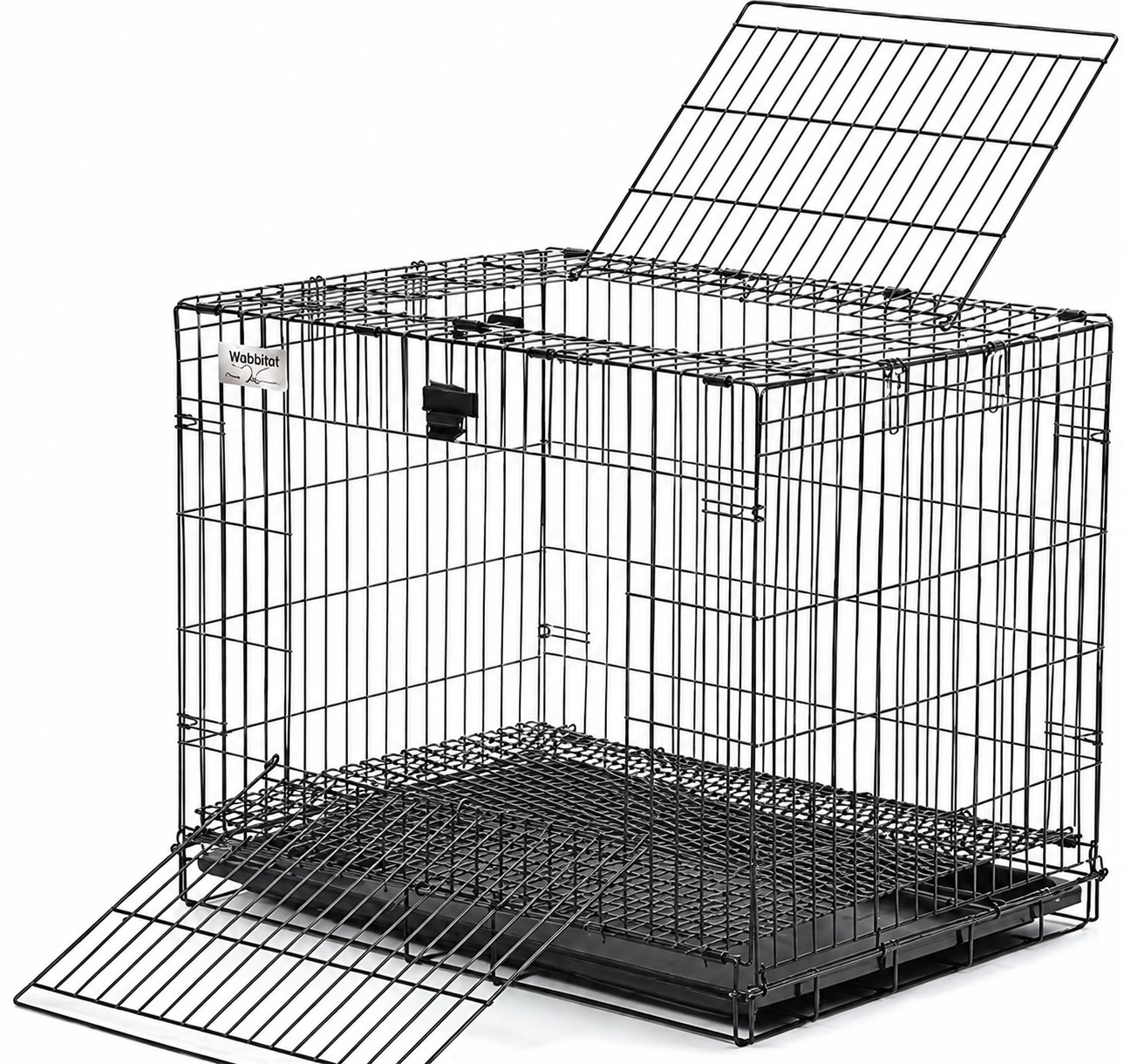
Rabbits and guinea pigs: Choose a spacious habitat with plenty of floor area for movement, along with a comfortable solid surface.
Hamsters and mice: Look for secure enclosures with appropriate bar spacing, good ventilation, and enough room for bedding and enrichment.
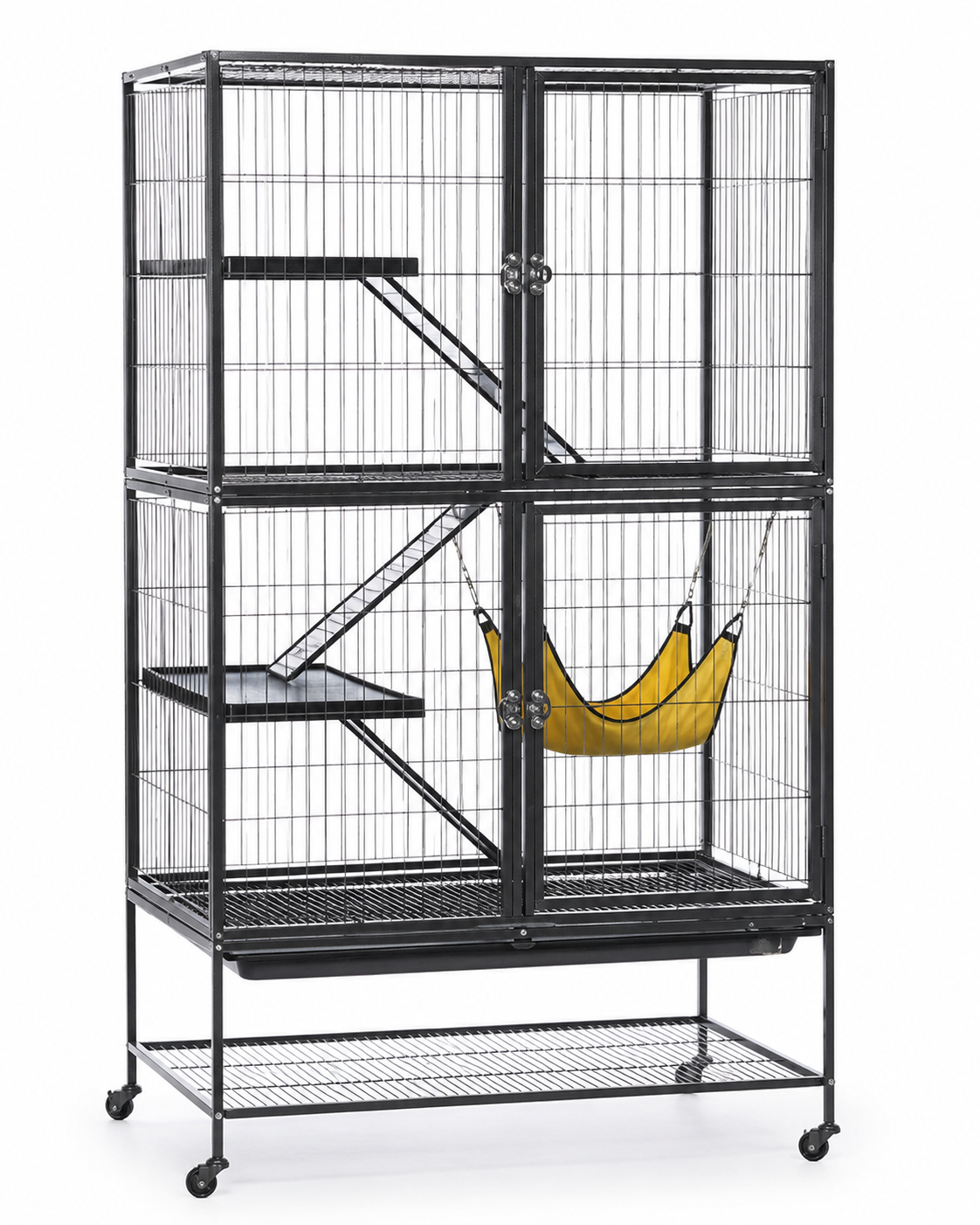
Rats: Choose a tall, well-ventilated cage with multiple levels and enough space for climbing and exploring.
Chinchillas: Prioritize a tall, sturdy habitat with multiple levels, safe platforms, and plenty of room for activity.
Other small pets: Always consider the animal’s adult size, behavior, ventilation needs, and the space required for food, water, bedding, and enrichment.
What to Look for in a Safe, Comfortable Habitat
When choosing small pet habitats and cages, look for a safe and comfortable space that provides enough room for your pet to move, rest, and explore naturally. Check that the habitat has good ventilation, secure construction, appropriate bar spacing, and a safe, solid surface where needed. Easy-to-clean trays and accessible doors can make daily care simpler, while room for bedding, hiding areas, toys, and other enrichment helps create a more comfortable environment.
Choosing the Right Habitat Size
Choose a habitat size based on your pet’s adult size, activity level, and the amount of space needed for bedding, food, water, and enrichment. Your pet should be able to move, stand, stretch, and rest comfortably without the habitat feeling crowded. If you are choosing between two suitable sizes, the larger option generally provides more room for natural movement and enrichment.
Habitat Safety and Maintenance
A safe habitat should be sturdy, secure, and easy to maintain. Check that doors and latches close securely, wire spacing is appropriate for your pet, and there are no sharp edges or damaged areas. Removable trays and washable surfaces can also make regular cleaning easier and help keep your pet’s living space comfortable.