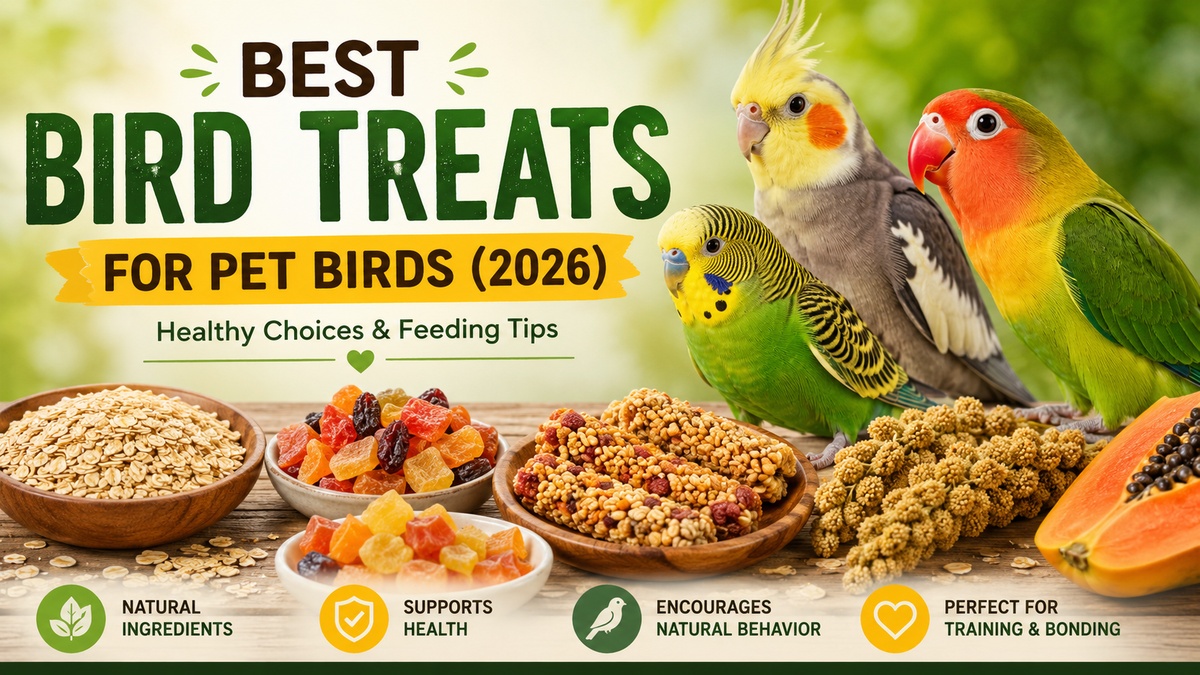
Choosing the best bird treats is about more than finding something your pet bird enjoys. The right treats can add variety, encourage natural behaviors such as foraging, and make training or bonding more rewarding. However, treats should complement a balanced diet rather than replace it.
In this guide, we’ll look at some popular bird treats for parakeets, cockatiels, conures, parrots, finches, canaries, and other companion birds, along with practical tips for choosing and serving them safely.
Quick Answer: What Are the Best Bird Treats?
The best bird treats depend on your bird’s species, size, normal diet, and preferences. Good options can include small amounts of grains, millet, suitable fruits, and specially formulated treats.
For pet owners looking for convenient options, these six products are currently listed in PawTroveHub’s Bird Treats collection:
- Kaytee Oat Groats
- Vitakraft Apple & Honey Crunch Sticks
- Vitakraft Apple & Orange Crunch Sticks
- Living World Natural Spray Millet
- Vitakraft Super Fruit Cocktail
- Kaytee Fiesta Healthy Toppings Papaya
The important point is moderation. A treat should add variety to your bird’s routine without becoming the main source of nutrition.
1. Kaytee Oat Groats
Oat groats can be a simple, crunchy treat for birds that enjoy grains. They can work particularly well for parakeets, cockatiels, and parrots when offered in appropriate portions.
View Kaytee Oat Groats on Amazon
Because treats are only a small part of a bird’s overall diet, avoid allowing a bird to fill up on treats instead of its regular food.
2. Vitakraft Apple & Honey Crunch Sticks
Crunch sticks can offer more than flavor because birds can interact with and chew the treat rather than simply eating from a bowl.
The apple and honey variety is designed for cockatiels and provides a crunchy treat that can add variety to their routine.
View Vitakraft Apple & Honey Crunch Sticks on Amazon
If you use a treat attached to the cage, keep an eye on how much your bird consumes and remove anything that becomes dirty or spoiled.
3. Vitakraft Apple & Orange Crunch Sticks
For conure owners looking for a different fruit-flavored option, the Apple & Orange Crunch Sticks provide another type of crunchy treat.
View Vitakraft Apple & Orange Crunch Sticks on Amazon
Treats like these can also make food more interesting because birds have an opportunity to chew and interact with something rather than simply eating loose food.
4. Living World Natural Spray Millet
Spray millet is a familiar treat for many small companion birds, including budgies, cockatiels, canaries, and finches.
Its natural presentation can also encourage birds to work for their food, making it useful as an occasional enrichment treat rather than simply another item in the food bowl.
View Living World Natural Spray Millet on Amazon
Millet is best treated as a reward or occasional addition rather than allowing it to replace a nutritionally complete everyday diet.
5. Vitakraft Super Fruit Cocktail
Birds that enjoy fruit may appreciate a mixed fruit treat such as Vitakraft Super Fruit Cocktail. This product is intended for parrots, cockatiels, and other larger companion birds.
View Vitakraft Super Fruit Cocktail on Amazon
Fruit-based treats can provide variety, but they should still be offered in sensible portions. Fresh foods also need to be handled carefully because they can spoil if left in the cage for too long.
6. Kaytee Fiesta Healthy Toppings Papaya
Papaya is another fruit-based option that can add variety to a bird’s normal feeding routine. Kaytee Fiesta Healthy Toppings Papaya is designed as a topping or treat for pet birds such as parrots and cockatiels.
View Kaytee Fiesta Healthy Toppings Papaya on Amazon
As with other fruit treats, use small portions and make sure your bird continues eating its normal balanced food.
How Often Should You Give Bird Treats?
There is no single treat schedule that works for every bird. Species, size, age, health, normal diet, and activity level all matter.
A useful approach is to think of treats as a small part of the overall feeding routine.
For example, you can use a small treat:
- As a reward during training
- To encourage interaction and foraging
- To introduce variety
- As an occasional bonding activity
- To make food-based enrichment more interesting
Avoid letting treats become so frequent that your bird starts refusing its normal food.
Are Bird Treats Healthy?
Bird treats can be healthy when they are appropriate for the species and given in moderation.
The bigger issue is the overall diet. The Merck Veterinary Manual explains that companion birds need nutritious food and notes that seed-heavy diets can be nutritionally inadequate. It also recommends offering appropriate fresh vegetables and fruit in suitable amounts.
That means a treat should support a balanced feeding routine rather than take its place.
Treats vs. Regular Bird Food
It is easy to confuse a bird treat with a complete diet.
Regular bird food is intended to provide the nutritional foundation of the diet. Treats are primarily used for variety, rewards, and enrichment.
A simple way to think about it is:
Everyday food = nutrition
Treats = variety and enrichment
If your bird is eating so many treats that it ignores its normal food, reduce the treats and speak with an avian veterinarian if you are concerned about its eating habits.
Can Bird Treats Help With Foraging?
Yes. Some treats can be incorporated into activities that encourage birds to search for, manipulate, and obtain food.
This is particularly useful for parrots and other intelligent companion birds that benefit from opportunities to engage with their environment.
Instead of always placing a treat directly into the food bowl, you can sometimes use an appropriate treat as part of a simple foraging activity.
Keep the activity safe and easy enough for your particular bird. Never use materials or objects that could create a choking, entanglement, ingestion, or toxicity risk.
What Should You Avoid in Bird Treats?
Before giving a new treat, consider your bird’s species and normal diet.
Avoid making treats the main part of the diet, and be cautious with products that are very rich, heavily sweetened, or otherwise unsuitable for your bird.
Fresh foods should also be removed before they spoil. Clean food and water containers regularly, and provide fresh drinking water.
If your bird has a medical condition or is on a veterinarian-prescribed diet, check with an avian veterinarian before introducing new treats.
How to Choose the Right Bird Treat
When comparing bird treats, consider these five things:
1. Your Bird’s Species
A treat suitable for a finch may not be the best choice for a large parrot. Always check the intended bird size and species.
2. The Ingredients
Look at what the treat actually contains rather than choosing only because your bird likes the taste.
3. Portion Size
A small treat can become a large percentage of a small bird’s daily intake. Portion control matters.
4. Enrichment Value
Treats that encourage chewing, manipulation, or foraging can provide additional engagement.
5. Your Bird’s Normal Diet
Treats should fit into the overall diet rather than compete with nutritionally complete everyday food.
A Simple Bird Treat Routine
You do not need to give your bird a large selection of treats every day.
A simple routine might look like this:
Regular meals: Provide the bird’s normal balanced diet.
Occasional reward: Offer a small amount of a suitable treat.
Enrichment: Use an appropriate treat occasionally in a safe foraging activity.
Observation: Watch your bird’s weight, appetite, droppings, and general behavior.
This keeps treats enjoyable without allowing them to take over the diet.
Where to Find More Bird Products
If you are looking for more than treats, PawTroveHub also has a dedicated Bird Products collection covering other bird-related products.
You can also browse the broader Pet Products collection for products across birds, dogs, cats, fish, and small pets.
For readers who specifically want to compare the treats covered in this guide, visit the PawTroveHub Bird Treats collection.
Final Thoughts
The best bird treats are not necessarily the ones your bird can eat the most of. They are the ones that fit its species, normal diet, and individual needs while providing occasional variety and enrichment.
Millet, grains, fruit-based treats, and interactive options can all have a place in a companion bird’s routine when used appropriately.
Start with small portions, observe what your bird enjoys, and keep its normal balanced diet at the center of its feeding routine.
Helpful Bird-Care Resources
For more detailed guidance on feeding companion birds, see the Merck Veterinary Manual’s guide to feeding a pet bird.
For ideas about safe enrichment and encouraging natural behaviors, see the Association of Avian Veterinarians’ Enrichment Tips.